
Introducing the 2026 CREF University Research Scholarship Awardee
CREF is pleased to announce our 2026 University Research Scholarship awardee. For over a decade, the scholarship program has fostered innovative research in compost science, helping advance work in areas such as enhancing drought tolerance, improving soil nutrients, reducing erosion, and increasing carbon storage to combat climate change.
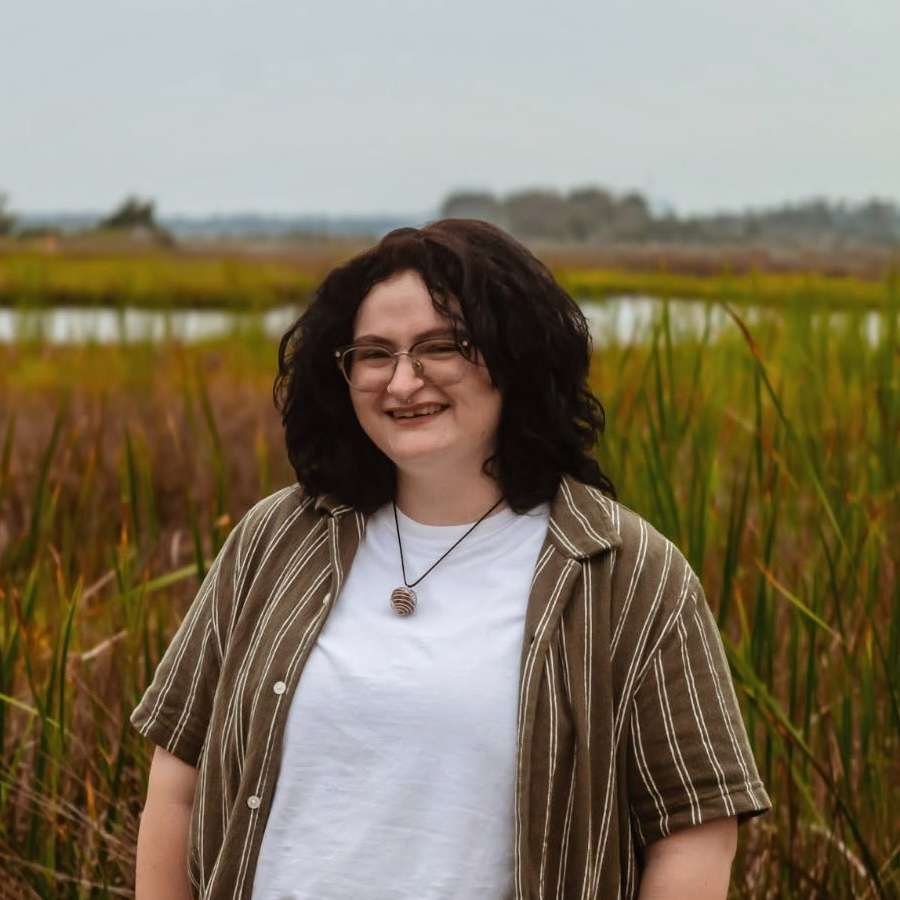
We’re excited for this year’s awardee, Raven Lester, to carry this torch through their research project, which explores the legacy effects of one-time compost amendments and the role of nematodes in carbon and nutrient cycling in California rangeland soils. Raven is a Ph.D. student in Plant and Soil Science at the University of Vermont.
Why is this research significant?
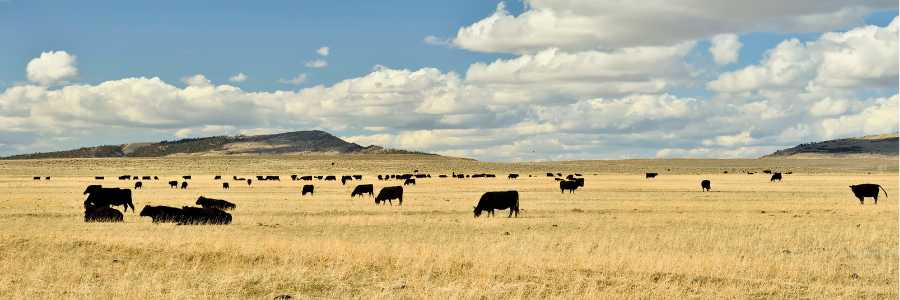
The majority of land use worldwide is agricultural, with a significant portion considered rangeland, including grasslands, shrublands, and grazing lands, such as cattle pastures. Due to their geographic expanse, rangelands are one of the largest terrestrial carbon sinks. Carbon is removed from the atmosphere and stored in the soil via carbon sequestration, accomplished by diverse below-ground communities such as plant root systems, fungi, and invertebrates. These invertebrates, like nematodes, are critical mediators of nutrient cycling within soil and play a key role in vital ecosystem functions.
Rangelands have been the focus of many efforts to: promote soil health through natural and sustainable land management strategies; improve climate mitigation by harnessing carbon sequestration potential; and grow our understanding of dynamic soil communities. In California, where rangeland accounts for about one-third of the state, legislation has been initiated to incentivize carbon-positive practices that integrate rancher support with environmental benefit. One such strategy is the use of a one-time compost amendment— an application of organic matter directly to the soil— which have been shown to have many benefits that may last decades after the amendment. However, the persisting impacts of compost amendments and the role of nematodes in rangeland soil ecosystems remain under-studied.
What will the research accomplish?
Raven’s research aims to fill these gaps by investigating the persisting impacts of one-time compost amendments on rangeland soils, with a focus on the role of nematodes in carbon and nutrient cycling. To do this, they will examine nematode abundance and soil community composition under compost amendments across California, and perform experiments designed to isolate the mechanistic role of nematodes in important soil processes. The results will be used to inform future land management decisions that prioritize sustainability, carbon-positivity, and overall soil health.
Congratulations, Raven! We look forward to sharing their research outcomes in late 2027.
Learn more about the University Research Scholarship and prior awardees here.
This program needs your support! Please make a donation here (select University Scholarship Program as your fund dedication), or reach out to info@compostfoundation.org for more information.
 Previous Post
 Next Post
